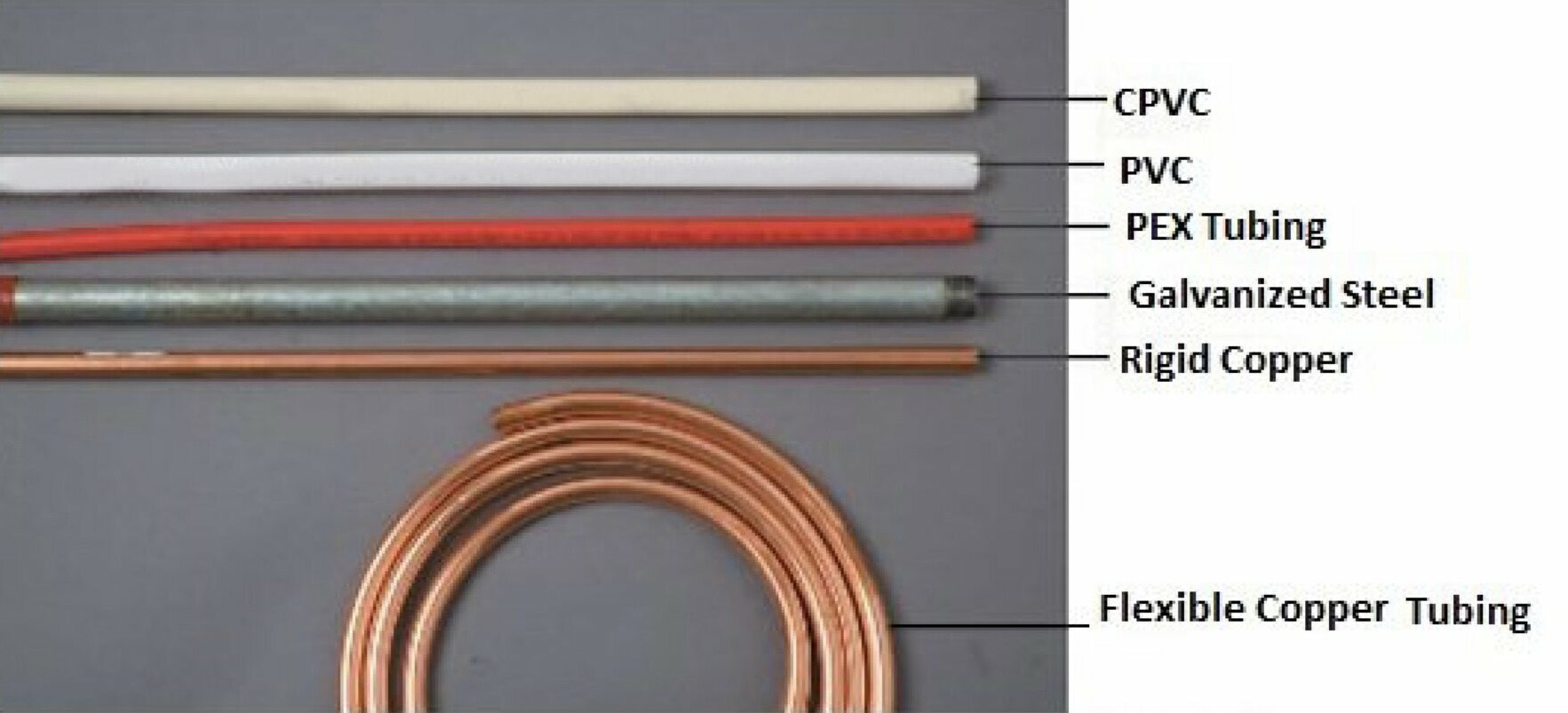


When it comes to plumbing, not all pipes are created equal. Each type of pipe is designed for specific uses, and choosing the right one for your home or project can make a big difference in both performance and longevity. At Plumbing Doctor, LLC, we believe in helping homeowners understand the various types of plumbing pipes and how they function. Here’s a quick guide to the most common materials used in residential plumbing systems.
- Copper Pipes Copper is one of the most popular and durable plumbing materials. Known for its corrosion resistance and long lifespan, copper pipes are commonly used for both water supply and heating systems. Copper can withstand high temperatures and is often favored for hot water lines. It’s also naturally antimicrobial, helping to reduce bacterial growth inside the pipe. However, copper pipes can be expensive compared to other materials.
- PVC (Polyvinyl Chloride) Pipes PVC pipes are lightweight, affordable, and easy to install, making them a go-to choice for many plumbing applications. Most often, you’ll find PVC pipes used for drain, waste, and vent (DWV) systems, as well as outdoor irrigation. They’re resistant to corrosion and have a long service life. One downside is that PVC can crack under extreme temperatures, so it’s not typically used for hot water lines.
- PEX (Cross-Linked Polyethylene) Pipes PEX is a flexible and highly versatile material that’s gaining popularity in residential plumbing. It’s easy to install due to its flexibility, making it ideal for retrofitting or working in tight spaces. PEX is most commonly used for water supply lines, and it’s resistant to scale, chlorine, and UV rays. PEX also doesn’t corrode like metal pipes. However, it may not be suitable for areas with high levels of UV exposure, as prolonged sunlight can damage the material.
- Steel Pipes Steel pipes, especially galvanized steel, were once a common choice for plumbing, but they’ve fallen out of favor due to their tendency to rust and corrode over time. Galvanized steel pipes were often used for water supply lines, but now, they’re more commonly found in older homes. If you have galvanized steel pipes, it might be time for an upgrade to avoid potential issues like low water pressure and leaks.
- CPVC (Chlorinated Polyvinyl Chloride) Pipes CPVC pipes are similar to PVC, but they are treated to handle both hot and cold water. They’re a great option for residential plumbing systems, offering better heat resistance than standard PVC. CPVC is also resistant to corrosion, making it a reliable choice for water supply lines.
At Plumbing Doctor, LLC, we’re here to help you make informed decisions about your plumbing system. Whether you’re upgrading old pipes or building from scratch, we can guide you in choosing the best materials for your home. Don’t hesitate to contact us with any questions or for expert plumbing assistance!

Michael Holt
Owner and operator of Plumbing Doctor, NJ Master Plumber (Lic. #36BI01345600) and U.S. military veteran.
More about Mike